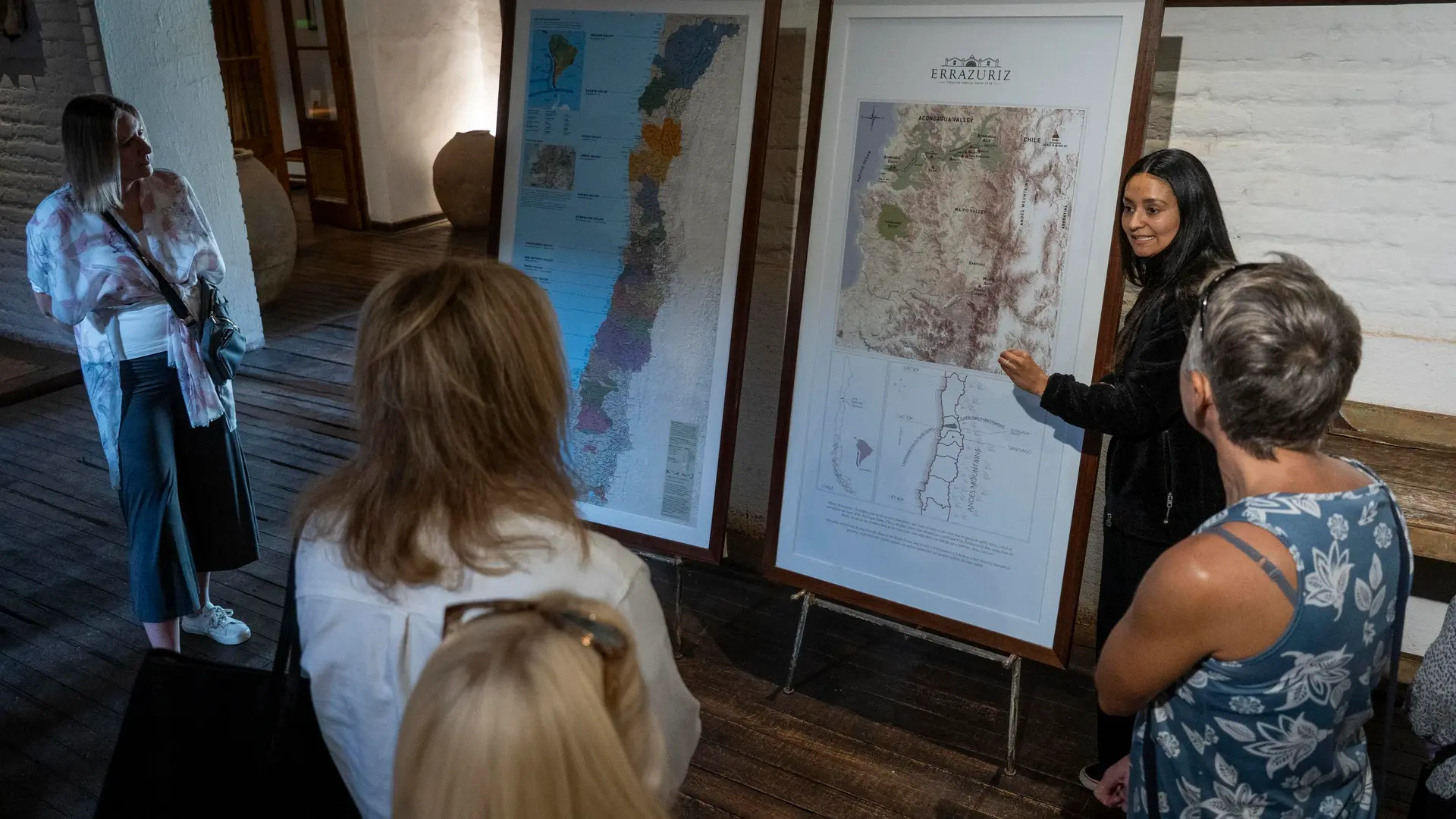
Chile is one of the most singular wine-producing countries in the world — not for the volume of wine it produces, but for the geographic logic that makes it possible. A narrow strip of land compressed between the Pacific Ocean and the Andes mountains contains a diversity of climates that few wine regions on the planet can match.
Understanding that diversity means understanding Chilean wine. Because here, the question is not just which variety is grown, but where the wind comes from, how far the sea is, at what altitude the vineyard sits, and which direction the valley faces. The answer to those questions changes the wine radically.
Two major climatic axes define Chilean viticulture: the latitudinal axis (north to south) and the transversal axis (coast to mountains). Understanding both is the key to reading a Chilean label with discernment, and to planning a visit to its regions with purpose.
Chile stretches over 4,300 kilometers from north to south, but its main viticultural zone is concentrated in central Chile, between the Atacama and Patagonia regions. Within that corridor, each valley is flanked to the east by the Andes and to the west by the Coastal Range, which acts as a buffer regulating oceanic influence.
This geographic framework creates what some winemakers call Chile's 'natural air conditioning': the Pacific cools, the Andes dry and illuminate, and the Coastal Range filters. The result is a combination of conditions that allows very different varieties to be grown, some just a few kilometers apart, with radically different results.
There are three major transversal zones within each valley:
- Coastal Range: the strip closest to the Pacific, dominated by oceanic influence, morning fog and low temperatures. A natural zone for white varieties and Pinot Noir.
- Entre Cordilleras (Between Ranges): the central valley, warmer and drier, where the bulk of Chilean production has historically been concentrated. Cabernet Sauvignon, Carménère and Merlot in their most classic expressions.
- The Andes: the Andean piedmont strip, where altitude compensates for latitude, with vineyards combining warm days with very cold nights and alluvial soils. A zone for wines with marked structure and acidity.
The Pacific: the influence that cools everything
The Humboldt Current, that mass of cold water rising from Antarctica along the southern Pacific coast, is one of the most decisive climatic factors in Chilean wine. Its effect is not limited to water temperature: it generates cold, humid winds that penetrate inland, and produces the characteristic morning fog that delays the vine's vegetative cycle and extends grape ripening.
Casablanca Valley: Chile's cool-climate wine pioneer
Located less than 90 kilometers from Santiago and equidistant from Valparaíso, Casablanca was the first Chilean valley to systematically exploit coastal influence to produce quality white wines. Until the 1980s, no one was betting on this territory; the initial impulse is strongly associated with the work of Pablo Morandé, a winemaker who in the 1980s identified the valley's potential for white varieties, especially Sauvignon Blanc. Visiting the area today, one can find internationally recognized labels such as Viña Kingston, Villard Fine Fines and Casa del Bosque.
The ancient granitic clay soils, combined with direct oceanic influence, give rise to Sauvignon Blanc and Chardonnay with pronounced acidity, mineral notes and a freshness difficult to find in other Chilean regions. The higher elevations of the valley, more sheltered from the fog, also allow the production of Merlot and Syrah with concentrated fruit character.
San Antonio and Leyda Valleys: the most extreme coast
South of Casablanca and closer to the shoreline, with some vineyards less than 20 kilometers from the Pacific, the San Antonio Valley and its sub-zone Leyda represent the coldest extreme of the Chilean spectrum. The soils are thin and rocky, with scant organic matter, which naturally produces low yields and flavor concentration. Sauvignon Blanc, Chardonnay and Pinot Noir are the dominant varieties, with an intensely mineral and acidic profile that competes with the finest examples in the world.
The Andes: structure, altitude and diurnal range
On the other side of the climatic spectrum, the Andes offer a different but equally decisive set of conditions. Altitude lowers average temperatures, solar radiation increases, and the difference between daytime and nighttime temperatures — the diurnal range — widens significantly. That thermal oscillation is key: warm days allow fruit ripening; cold nights slow vine metabolism and preserve natural acidity.
Andean snowmelt is also the main water source for irrigation across most Chilean valleys, and the alluvial soils formed by sediments carried down from the mountains by rivers are the dominant substrate in the Entre Cordilleras and Andes zones.
Maipo Valley: the historic cradle of Chilean wine
No Chilean valley has more history than Maipo. Chile's first commercial vines were planted here, and it remains the benchmark for the country's Cabernet Sauvignon, particularly in its Alto Maipo sector, where proximity to the Andes translates into alluvial soils of stone and gravel, dry summers, and a marked diurnal range that produces reds with firm structure, concentrated fruit and notable aging potential.
In this context, landmark projects stand out such as Viña Concha y Toro, one of the most influential wineries in consolidating Chilean wine internationally, and Almaviva, a benchmark for Bordeaux-style blends in Chile, developed as a joint venture between Viña Concha y Toro and Baron Philippe de Rothschild.
The valley is divided into three sectors: Alto Maipo (closest to the mountains and most prized for premium wines), Maipo Central, and Coastal Maipo, where oceanic influence begins to make itself felt. Coastal fog reaches this sector, moderating temperatures and broadening varietal possibilities.
The latitudinal axis: from north to south, a different wine
Beyond the transversal coast-to-mountains axis, Chile has a north-south axis with equally important consequences. As one moves southward, the Mediterranean climate gradually gives way to wetter, cooler conditions, with greater Atlantic influence and more abundant rainfall.
Colchagua Valley: the heart of Chilean reds
About 180 kilometers south of Santiago, Colchagua is the benchmark valley for premium Chilean reds. Its geographic position combines the best of both axes: cool nights thanks to the Pacific breeze that penetrates through the Tinguiririca river corridor, and warm, sunny days that allow full ripening of varieties such as Carménère, Cabernet Sauvignon and Syrah.
In this context, Viña Montes stands out as one of the most influential projects in consolidating Colchagua as a premium wine origin, with an early focus on quality, parcel selection and international positioning.
Carménère found in Colchagua its most internationally recognized expression: wines of intense garnet color, aromas of red and black fruit, spices, damp earth, and the characteristic green pepper — an aromatic trait of the variety when it does not reach full ripeness.
Maule Valley: tradition, dryland farming and wines of character
Further south, Maule is Chile's largest and most heterogeneous valley. Unlike other valleys, it does not receive direct maritime influence, yet maintains a favorable diurnal range that concentrates aromas and preserves freshness. Maule is also home to dryland wines — vineyards without artificial irrigation, farmed ancestrally — where varieties such as País and Carignan from century-old vines produce wines with high acidity, firm tannins and a deeply Chilean identity.
In this context, the work of VIGNO is particularly noteworthy — an association of producers focused on the valorization of Carignan from old Maule vines, under strict criteria of origin, vineyard age and dryland practices, consolidating a distinctive style within contemporary Chilean wine.
Why visit Chile's wine regions
Guided tastings led by technical staff offer an in-depth look at the different expressions produced across valleys separated by latitude, altitude and proximity to the Pacific Ocean. Winery restaurants and pairing experiences reflect the richness of Chile's fine gastronomy, while vineyard tours typically emphasize the role of natural boundaries in defining each appellation's character. The hotel offering complements this experience with options ranging from boutique lodges integrated into the viticultural landscape to luxury properties with direct vineyard access such as Viña Vik and Clos Apalta. The most visited subregions include Maipo Valley, Colchagua and Casablanca, where a wide range of producers — from major exporters to small boutique wineries — offer experiences tailored to different levels of wine knowledge.
Although Carménère remains Chile's flagship variety, the country has undergone a significant process of rediscovery and diversification in recent decades. Among white grapes, Sauvignon Blanc has built a solid international reputation. Chardonnay also delivers consistent results in these zones, producing wines of notable tension and freshness. Among reds, Cabernet Sauvignon continues to define the identity of the Maipo Valley, while Syrah has gained growing relevance in the Elqui and Limarí valleys to the north, where the desert climate and granitic soils produce structured, mineral expressions. In parallel, a growing number of producers in the Itata and Bío-Bío valleys are recovering old País and Muscat vines, championing pre-industrial varieties and minimal-intervention winemaking as part of a broader artisanal movement.
The wine tourism offering, infrastructure and services for travelers have grown considerably in quality and depth, moving beyond the large traditional wineries toward smaller, terroir-driven producers that reflect the country's increasing focus on authenticity and sense of place. MOVI is an association of small and medium producers that promotes single-estate wines with a sense of origin, crafted independently with a focus on Chilean terroir expression. Traveling across Chile from coast to mountains, or from Casablanca to Maule, is to travel a climatic map that expresses itself directly in the glass. Today, the discerning consumer is not looking for a grape variety — they are looking for a specific coordinate, a distance from the sea, a soil composition and an altitude.
Follow me on Instagram to see the places and get more info about wine-related travel! @kalaparrax
You may also like
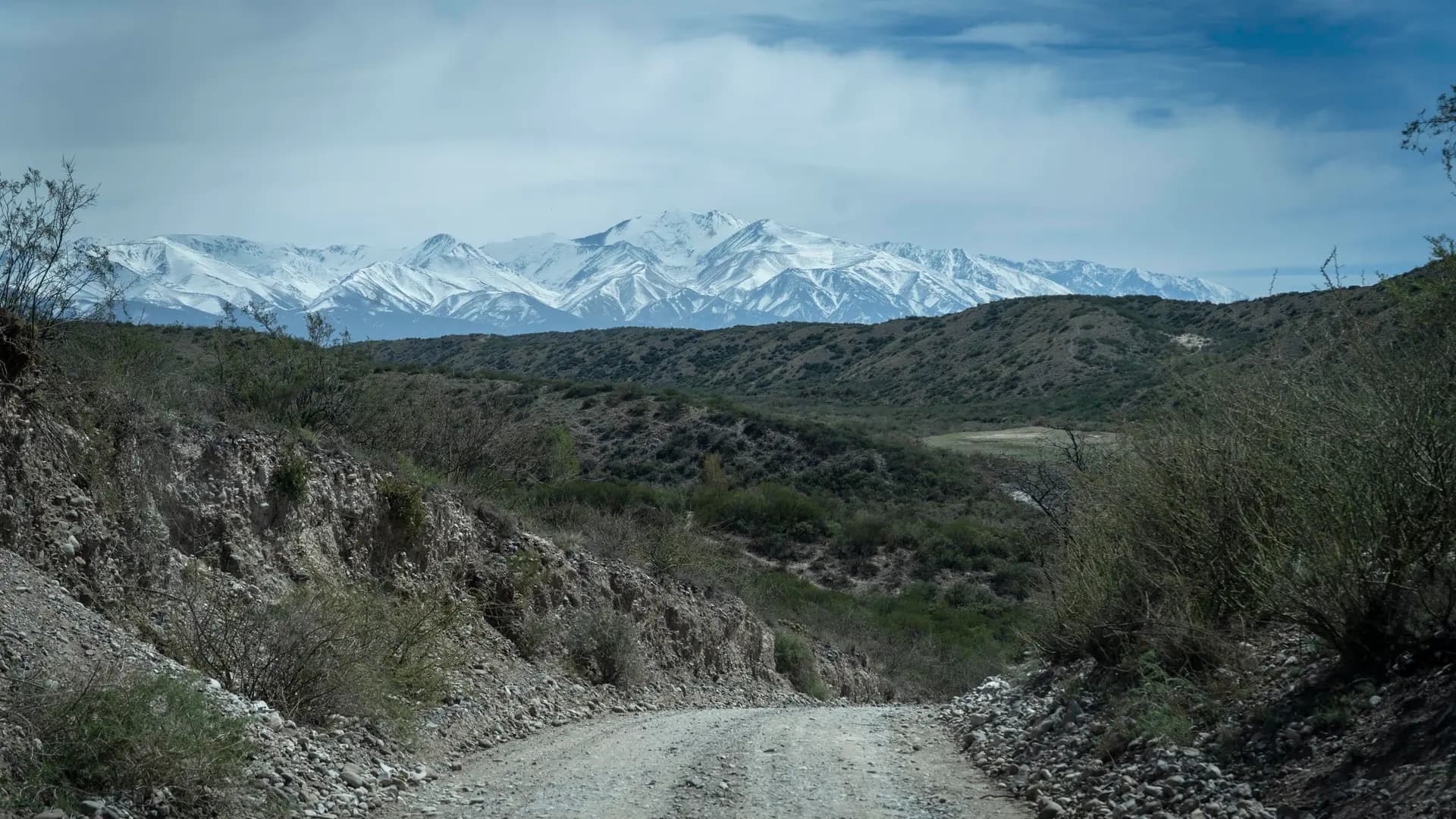
How to Plan a Wine Trip Across South America
Seasons, destinations and why a well-planned wine tourism trip transforms the experience. A practical guide to Argentina, Chile and Uruguay.
Read more →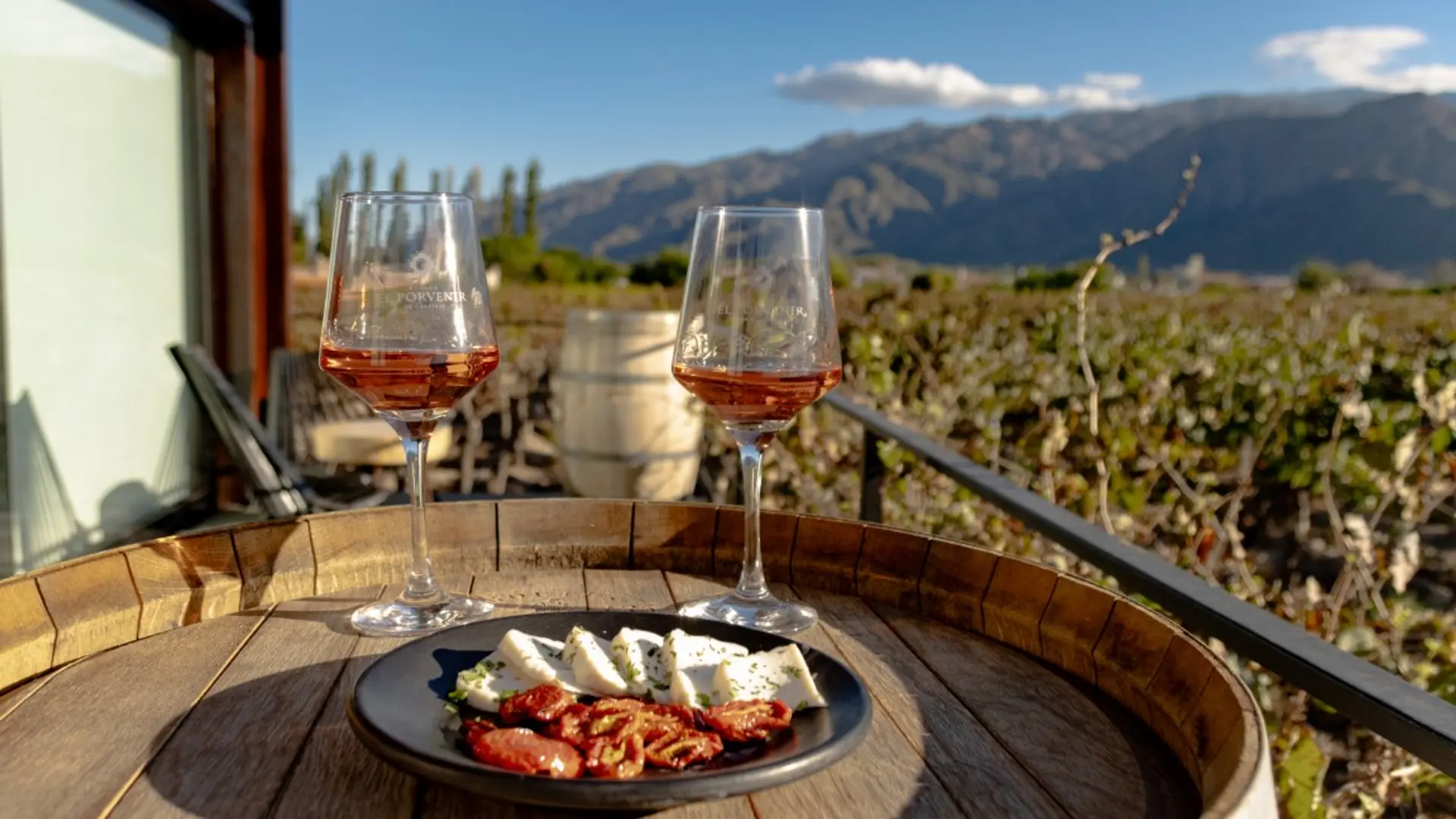
Calchaquí Valleys: Extreme-Altitude Winemaking in Northwest Argentina
Vineyards between 1,700 and 3,500 meters, pre-phylloxera varieties and Andean landscapes: the Calchaquí Valleys as a wine destination.
Read more →Want to live these stories?
We design educational itineraries for wine professionals and enthusiasts.
Let's talk about your trip