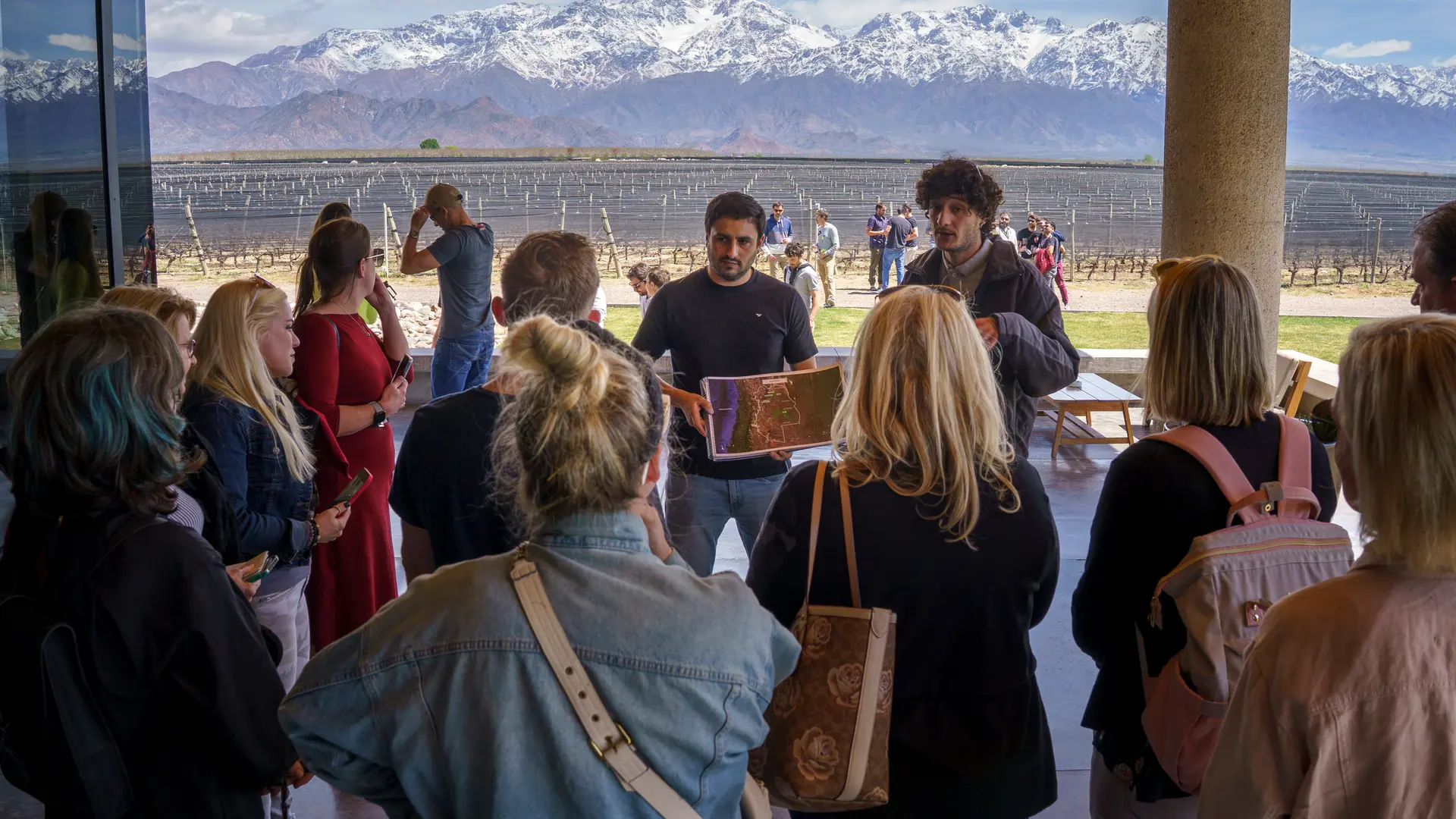
Mendoza is the heart of Argentine wine and one of the world's most distinctive wine regions. Located at the foothills of the Andes, it combines extreme altitude, desert conditions, and centuries-old irrigation systems to produce wines with precision, concentration, and freshness. Today, Mendoza is no longer defined solely by Argentine Malbec; it is also recognized as a leading global wine tourism destination, drawing professionals and enthusiasts seeking to understand the influence of geography on wine style.
One of Mendoza's defining features is its altitude. Vineyards range from 400 to over 2,000 meters above sea level, creating a wide diversity of microclimates. This elevation directly impacts grape development:
- Greater diurnal range preserves acidity
- Increased UV radiation thickens grape skins
- Slower ripening enhances aromatic complexity
Regions like Valle de Uco have become global references for high-altitude viticulture, producing wines with tension, structure, and mineral profile. At the western edge, the Andes, including Aconcagua, act as a climatic barrier, creating the dry conditions that define the region.
Wine production: scale and global relevance
Mendoza is responsible for the majority of Argentina's wine production. According to the Instituto Nacional de Vitivinicultura:
- 70% of national wine production originates here
- 75% of the vineyard surface is concentrated in the province
- Over 80% of Argentine wine exports are linked to Mendoza
This concentration has allowed the region to specialize, particularly in Malbec, positioning it as the global benchmark for the variety. International recognition from publications such as Wine Spectator and Decanter has reinforced Mendoza's reputation for both quality and value. Major wineries such as Zuccardi and Catena Zapata are consistently positioned at the top of international accolades year after year. The Catena Institute of Wine celebrated 30 years since its founding in 2025. There, every meter, rock, insect and microorganism of the Adrianna Vineyard in Gualtallary is analyzed in detail. This vineyard is frequently recognized as one of the most studied in the world, with a particular focus on calcareous soils, which has enabled a more precise understanding of how altitude and soil composition influence grape quality.
Terroir: desert, irrigation and precision
Despite being a semi-arid region, with average rainfall below 250 mm annually, Mendoza sustains its viticulture through an irrigation system originally developed by the Huarpe communities, inhabitants of the territory before the arrival of the Spanish. This system made possible the development of three productive oases in a province that is, in essence, a high-altitude desert.
Key factors shaping the terroir:
- Irrigation control: meltwater from the Andes allows precise vineyard management
- Low humidity: reduces disease pressure, enabling sustainable practices
- Rain shadow effect: the Andes block Pacific moisture
- Alluvial soils: diverse compositions of sand, clay and stone
This combination results in precise, expressive wines where site-specific differences are clearly defined. In Valle de Uco, soil variability is extremely high and can be observed at very short distances. At Zuccardi Finca Piedra Infinita, this is evident simply by walking a few meters within the vineyard.
Wine tourism in Mendoza: what to expect beyond Malbec
Mendoza stands as one of the most developed wine tourism destinations in South America. It offers a combination of technical visits to both architecturally impressive large wineries and premium boutique projects. The offering also includes estates with organic and biodynamic production, as well as complementary experiences such as olive oil production and gastronomic venues that integrate the dining experience with the landscape.
Wood-fire cooking is one of Mendoza's most representative traditions: beef ribs with up to six hours of cooking time and empanadas are part of the standard offering. However, the gastronomic scene is considerably broader, with varied and high-quality vegetarian options that even capture the interest of traditionally meat-focused profiles.
Some of the most renowned restaurants in recent years include Angélica Cocina Maestra, located within Bodega Catena Zapata; 5 Suelos, at Bodega Durigutti; and Abrasado, a restaurant specializing in aged meats located at Bodega Los Toneles. All three are recommended by the Michelin Guide.
While visitors can access guided tastings led by winery tourism staff — who generally have solid wine or sommelier training — gaining access to exclusive visits led by winemakers or agronomists requires booking well in advance and through a local agency. This provides a detailed understanding of viticultural decisions, winemaking philosophies and terroirs, with particular attention to the relationship between altitude, soils and varietal expression.
Seasonal activities, particularly during harvest, allow a more direct immersion into the production cycle. This period extends, broadly speaking, from February to April. However, if the goal is to have time and focus for deepening one's learning, it may be worth avoiding the official harvest celebrations, however picturesque they may be. This is especially relevant for sommeliers in training or those working in the wine industry or trade. Conversely, if the focus is on enjoyment and relaxation, attending these events can be a suitable option, bearing in mind that reservations must be made several months in advance.
The main subregions to visit are Luján de Cuyo, Valle de Uco and Maipú. In all cases, advance reservations are especially necessary at small or internationally recognized wineries such as Casa Vigil - El Enemigo, Bodega Matías Riccitelli, Bodegas Salentein, Mil Suelos, Bodega Zuccardi Valle de Uco and SuperUco.
Although Malbec remains the dominant variety, Mendoza has undergone a sustained process of diversification in recent years. Among white grapes, Torrontés stands out for its pronounced aromatic profile, combining floral intensity with a fresh, defined finish. However, it is not the only protagonist: a qualitative expansion is underway in varieties such as Chardonnay, Sauvignon Blanc and, in smaller volumes but at an exceptionally high level, Sémillon.
Among reds, Cabernet Franc has gained relevance, particularly in high-altitude zones such as Tupungato, where it develops good structure and a complex herbal profile. Bonarda continues to show consistent results in warmer areas like Barrancas, with wines of dark fruit and moderate acidity. In parallel, traditional Criolla varieties are being revisited by small producers with the aim of revaluing historic vineyards and lighter styles. This process is part of a broader trend toward site-specific expression and experimentation in viticulture.
In this context, Mendoza combines scale, diversity and precision in a way few wine regions can match. Its altitude-driven viticulture, supported by a controlled desert environment and a sustained focus on terroir, has positioned it as a global reference point not only for Malbec but for contemporary wine production more broadly. The commitment to sustainability reinforces this trajectory: Mendoza today has the highest number of vineyards with organic and biodynamic certification in Argentina, consolidating a viticulture with a long-term outlook. Understanding Mendoza ultimately means recognizing how extreme geographical conditions can be translated into consistency, diversity, and an ever-growing qualitative ambition.
Follow me on Instagram to see the places and get more info about wine-related travel! @kalaparrax
You may also like
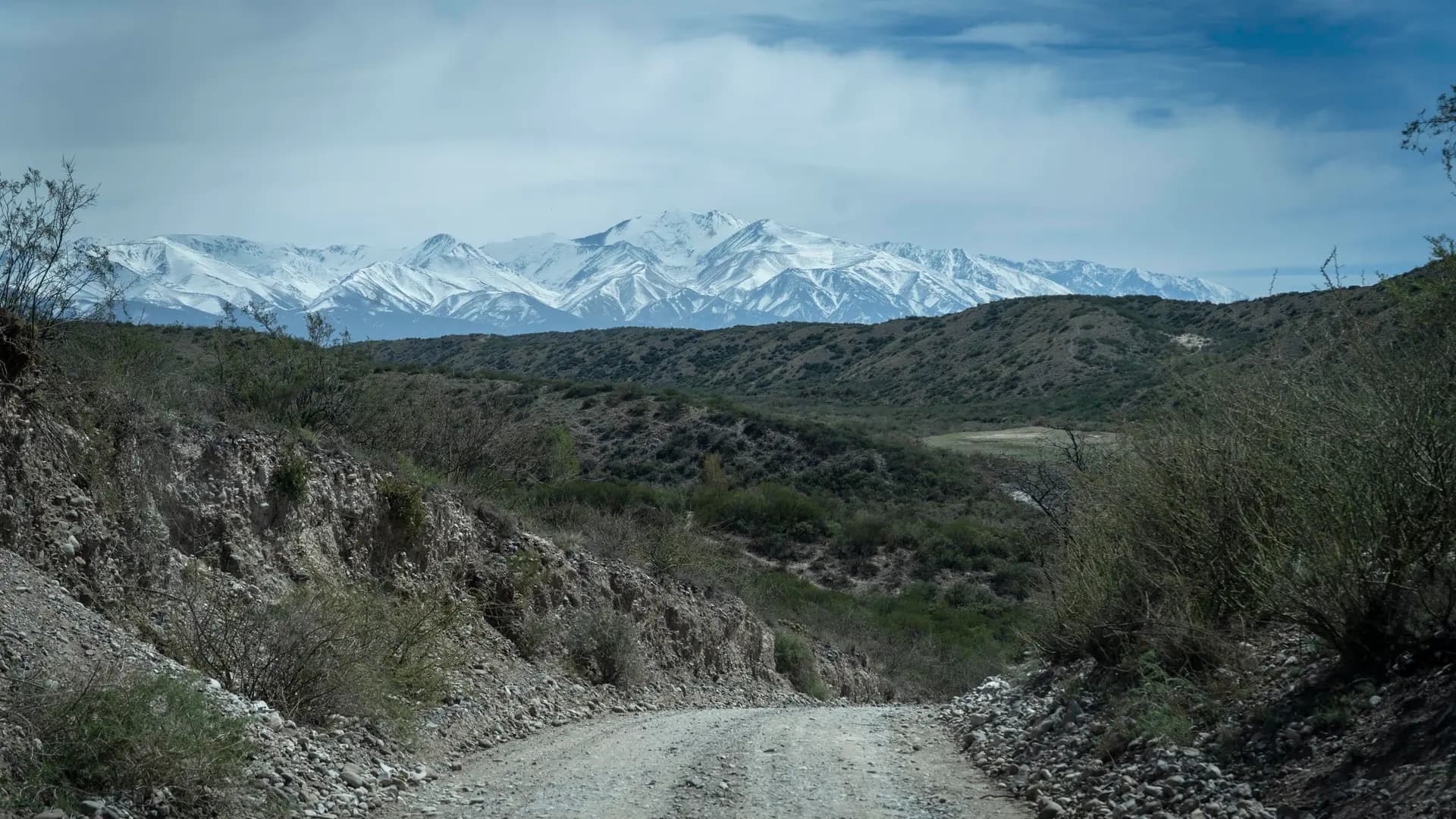
How to Plan a Wine Trip Across South America
Seasons, destinations and why a well-planned wine tourism trip transforms the experience. A practical guide to Argentina, Chile and Uruguay.
Read more →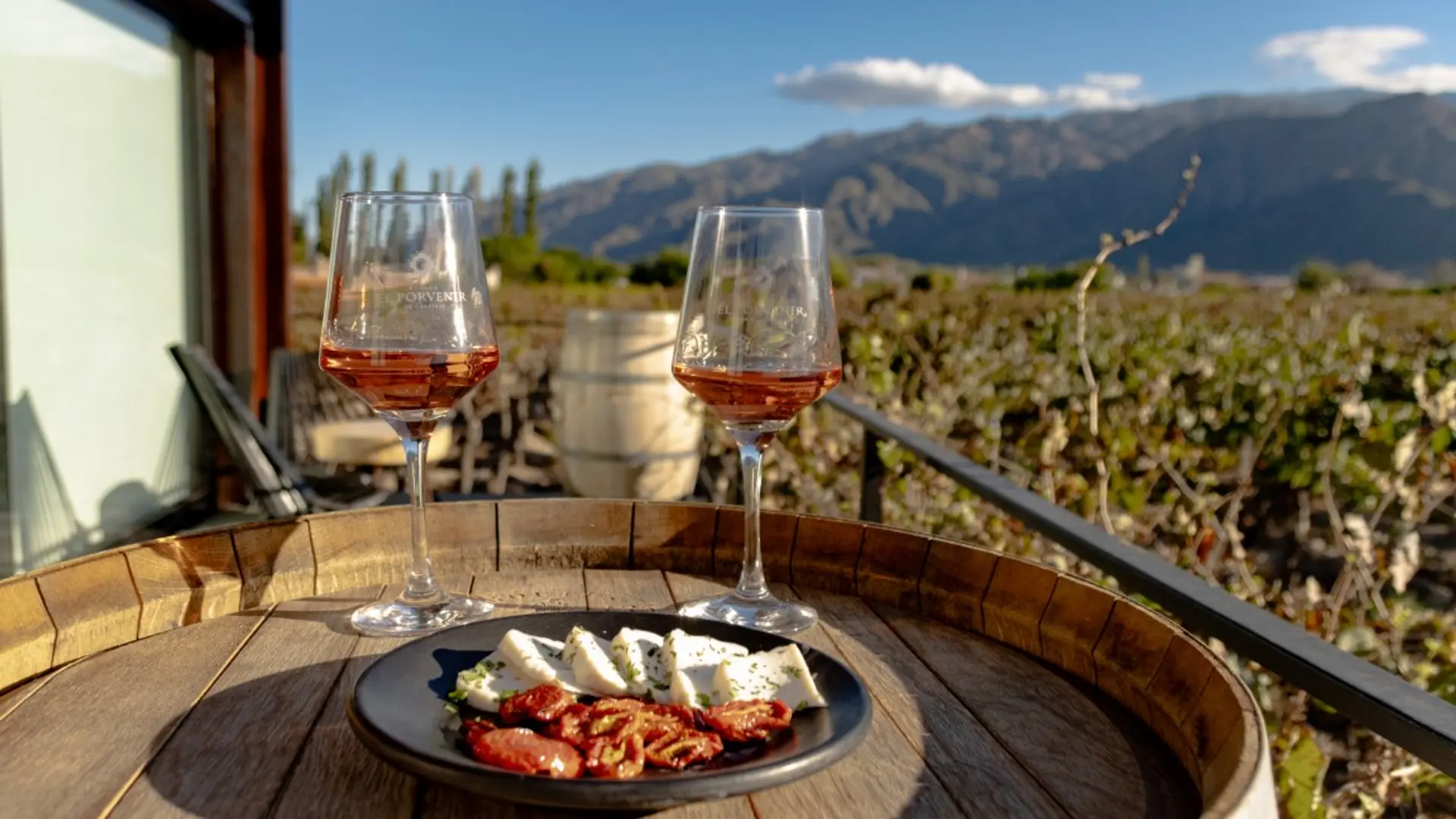
Calchaquí Valleys: Extreme-Altitude Winemaking in Northwest Argentina
Vineyards between 1,700 and 3,500 meters, pre-phylloxera varieties and Andean landscapes: the Calchaquí Valleys as a wine destination.
Read more →Want to live these stories?
We design educational itineraries for wine professionals and enthusiasts.
Let's talk about your trip