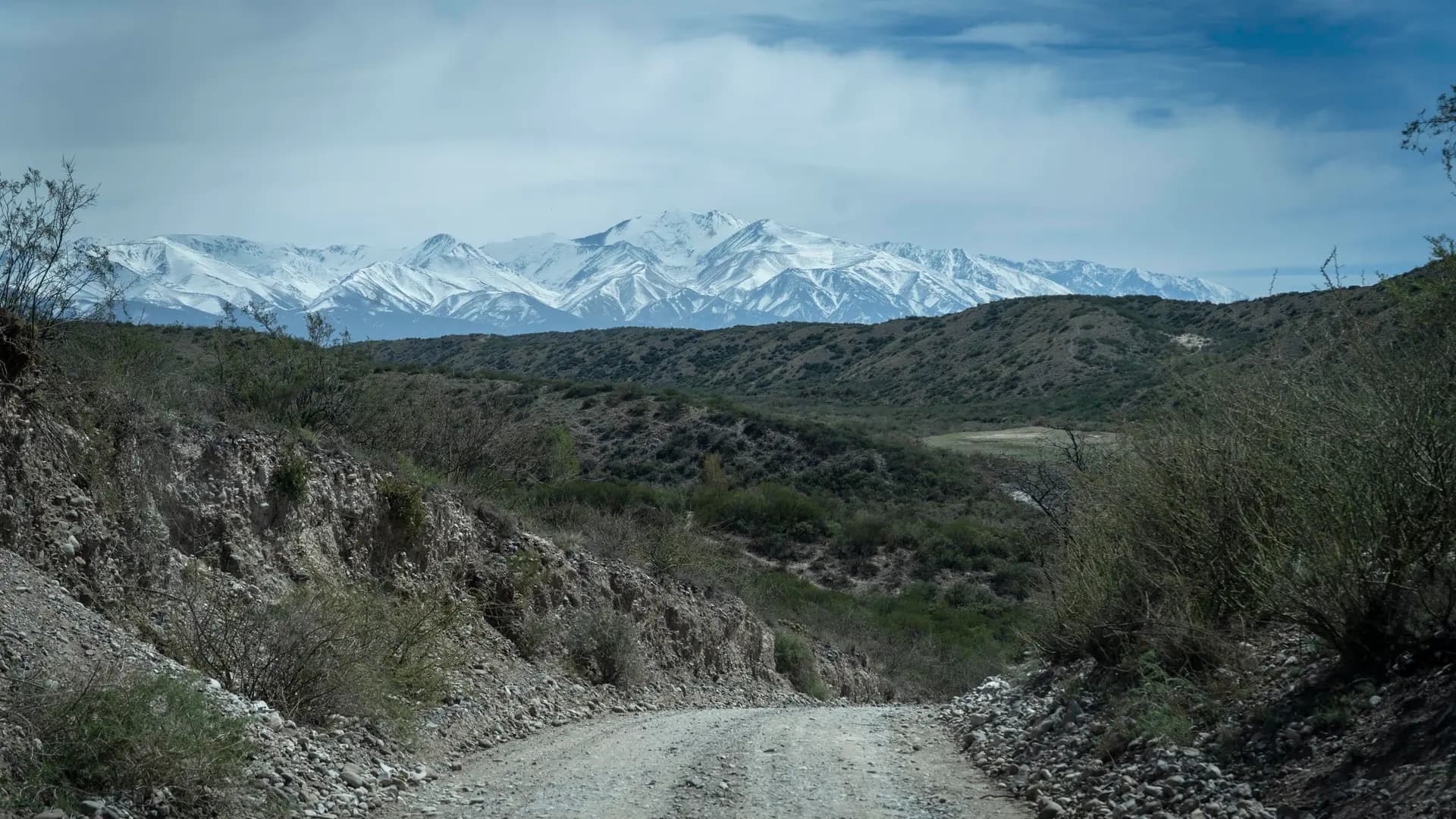
Wine tourism in South America has moved beyond being an exotic alternative to become a top-tier option for wine lovers, food enthusiasts, sommeliers and wine specialists from around the world. Extreme geography, direct access to producers, and a diversity of territories that can fill multiple trips make this region one of the most rewarding destinations today. Planning a wine trip across South America, however, requires judgment: each destination has its own logic, its best season, and the type of experience it offers varies enormously depending on how the itinerary is organized.
When to travel and how much time to allow
The best time for wine tourism in Argentina and Chile is from February to April — harvest season — when the vineyards are at their most expressive. Avoiding official celebrations, however picturesque, can be wise if the priority is an immersive and personalized experience, with enough time to deepen one's learning. October and November are also excellent choices, with full availability at wineries and ideal weather for exploring vineyards. Each destination deserves at least a full week to be explored in depth and to understand its history, geography and variety of terroir expressions without rushing. For those with ten days or more, it is possible to combine two regions — Mendoza with Salta, or Mendoza with Chile — though in that case, logistical coordination is critical to maintaining the quality of each stage.
Why travel with a specialized wine tourism agency
Visiting wineries independently is possible; however, the type of experience obtained is qualitatively different. Public visits offer a general introduction, but rarely include direct access to the winemaker or agronomist, nor the chance to walk the vineyard with the person who made the decisions behind each wine. That level of access requires established relationships with producers, built over years of working together. A specialized wine tourism agency does not just solve logistics: it defines a narrative sequence between visits, selects producers that complement and contrast with each other, and ensures every experience has a technical and cultural thread. For wine professionals, sommeliers or enthusiasts with a genuine interest in deepening their knowledge, this difference is decisive.
The destinations
Mendoza
Mendoza is the natural starting point for any wine trip through Argentina. With a mature wine tourism infrastructure and an extraordinary concentration of top-tier producers, it allows visitors to design a full, intensive week without repeating experiences. Luján de Cuyo, Maipú and Valle de Uco offer distinctly different profiles of soil, altitude and style, and together they build a comparative and in-depth picture of the country's most important wine region. In Valle de Uco, the diversity of soils, microclimates and winemaking approaches is such that it would be impossible to experience it in a single day, and a shame not to return for a second visit while already in Mendoza.
In Luján de Cuyo, Catena Zapata is an essential reference: a member of the World's Best Vineyards Hall of Fame, the winery combines a uniquely designed pyramidal architecture with high-level technical visits and a gastronomic offering recognized by the Michelin Guide. In Valle de Uco, Zuccardi Valle de Uco, winner of the top spot in the world's best vineyards ranking in 2019, 2021 and 2022, offers an immersion into the study of Andean soils that is difficult to find elsewhere in the world. In Las Compuertas, one of the most historic districts of Luján de Cuyo, it is possible to visit century-old Malbec vineyards planted in 1929, which bear witness to the origins of modern Argentine viticulture. At the opposite end of the spectrum, boutique wineries such as SuperUco in Los Chacayes or Montequieto in Agrelo represent a new generation of producers working with minimal intervention and a radically different vision of Mendoza's terroir.
Calchaquí Valleys
The Calchaquí Valleys, in the province of Salta, represent a radically different experience. At altitudes between 1,550 and 3,111 meters above sea level, they are home to some of the highest vineyards on the planet. The landscape is imposing, the climate extreme, and the wines — particularly Torrontés and high-altitude Malbec — display an intensity and personality rarely found in other regions. This is a destination clearly distinct from Mendoza, both in its landscapes and its gastronomy, where the influence of indigenous peoples has endured over time.
The drive from Salta to Cafayate through the Quebrada de las Conchas is an experience in itself: over three hours crossing rock formations in shades of red, violet and pastel, sculpted by millions of years of erosion. In Cafayate, wineries such as El Esteco, a pioneer in Torrontés exports with vineyards above 2,000 meters, and Yacochuya, a joint project of the Etchart family and winemaker Michel Rolland since 1995, offer visits of exceptional technical and narrative depth. Further north, in Molinos, Bodega Colomé is one of the region's historic references: founded in 1831, with vineyards reaching 3,111 meters above sea level, it also houses the only museum exclusively dedicated to American artist James Turrell — a sensory experience unique in the world. Northern Argentina has no direct equivalent in other wine territories, and for many travelers, it often becomes a central reference point in their story as wine travelers.
Chile
Chile organizes its viticulture along a narrow strip between the Andes and the Pacific Ocean, where the combined influence of mountain and sea generates uncommon climatic diversity. The northern coastal valleys produce whites of precision and freshness; the Central Valley concentrates the structured reds that defined the country's export identity; and the south is home to a new generation of producers working with old vineyards and minimal-intervention approaches.
In the Colchagua Valley, Viña Montes, ranked third in the world's best vineyards in 2022, and Clos Apalta, with vineyards over a hundred years old, biodynamic production and an underground winery carved into the mountainside, illustrate the depth and diversity of the Central Valley. In the Maipo Valley, Almaviva represents another extreme: a joint venture between Baron Philippe de Rothschild and Concha y Toro, conceived under the French château concept, with a single wine, a single technical team and architecture designed to echo the silhouette of the Andes. On the Coastal Range, the Garcés Silva family pioneered the planting of the first vineyards in the Leyda Valley in 1999; today, their winery, just twelve kilometers from the Pacific Ocean, produces Sauvignon Blanc and Pinot Noir with a distinctly Atlantic profile, with a freshness and tension that clearly set them apart from the style of the inland valleys. The hotel offering accompanies the experience with options ranging from boutique lodges integrated into the viticultural landscape to luxury properties with direct vineyard access.
Uruguay
Uruguay completes the South American wine tourism map with a singular proposition. Unlike Argentina and Chile, the scale is more intimate, producers are more accessible, and the viticultural landscape — gentle hills covered with vineyards stretching toward the Río de la Plata and the Atlantic coast — has an identity of its own. Tannat is the country's flagship variety: a grape of French origin that found its most consistent expression in Uruguay, producing wines of firm structure, dark fruit and an aging capacity that surprises those who discover it for the first time.
Among the leading producers, Bodega Garzón, located in the department of Maldonado just a few kilometers from the Atlantic Ocean, is today the most internationally recognized. Its architecture integrated into the hillside landscape and its signature restaurant, awarded a Michelin star, make it an experience that combines precision viticulture with high-level hospitality. In the department of Canelones, Bouza is a family winery of artisanal scale that welcomes visitors with a warmth and closeness hard to find in more crowded regions. Further east, in the hills of Maldonado, Narbona Wine Lodge offers one of the most complete hospitality experiences in the country: boutique accommodation amid the vineyards, a seasonal-cuisine restaurant and an atmosphere that blends Uruguayan rural tradition with a contemporary approach to luxury.
For those looking to venture beyond the established circuit, Uruguay represents one of the most compelling bets in the region: a destination still largely unexplored by international wine tourism, with its own identity and a scale that fosters genuine encounters with producers and the territory.
Plan your wine trip across South America
Each of these destinations constitutes a journey in itself. High-quality wine tourism requires planning: coordinating schedules, selecting wineries with technical and narrative coherence, and designing precise itineraries according to the real distances and travel times of each region. In many cases, the most valuable experiences depend on advance arrangements: private visits, tastings led by winemakers or agronomists, access to specific areas of the wineries that are not available to the general public.
If you are considering your next wine trip through South America, we can design a tailor-made program based on your goals — educational, professional or recreational — your level of knowledge and the time available. We integrate winery selection, accommodation, full logistics and oenological criteria to optimize every day in the field.
Follow me on Instagram to see the places and get more info about wine-related travel! @kalaparrax
You may also like
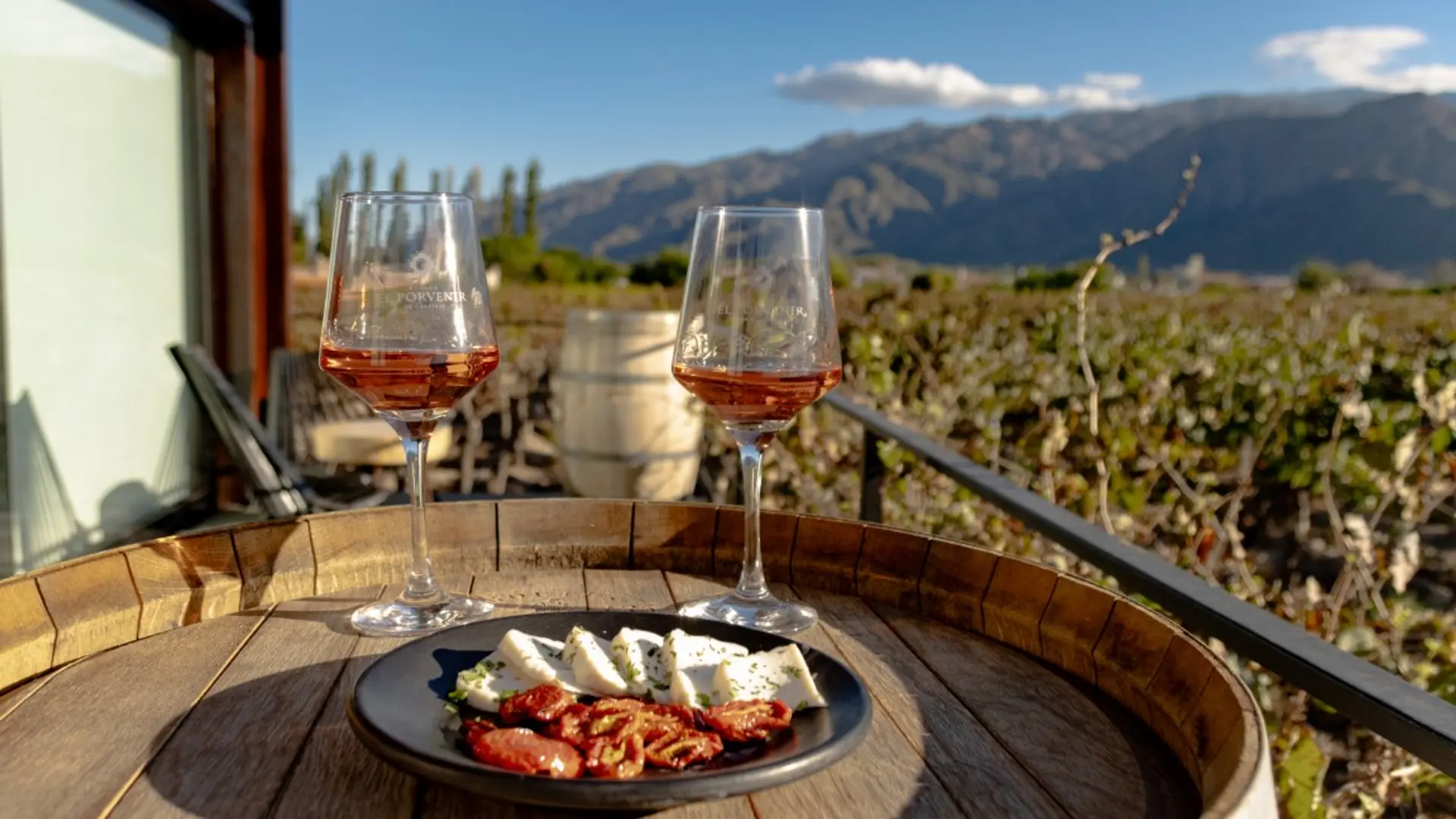
Calchaquí Valleys: Extreme-Altitude Winemaking in Northwest Argentina
Vineyards between 1,700 and 3,500 meters, pre-phylloxera varieties and Andean landscapes: the Calchaquí Valleys as a wine destination.
Read more →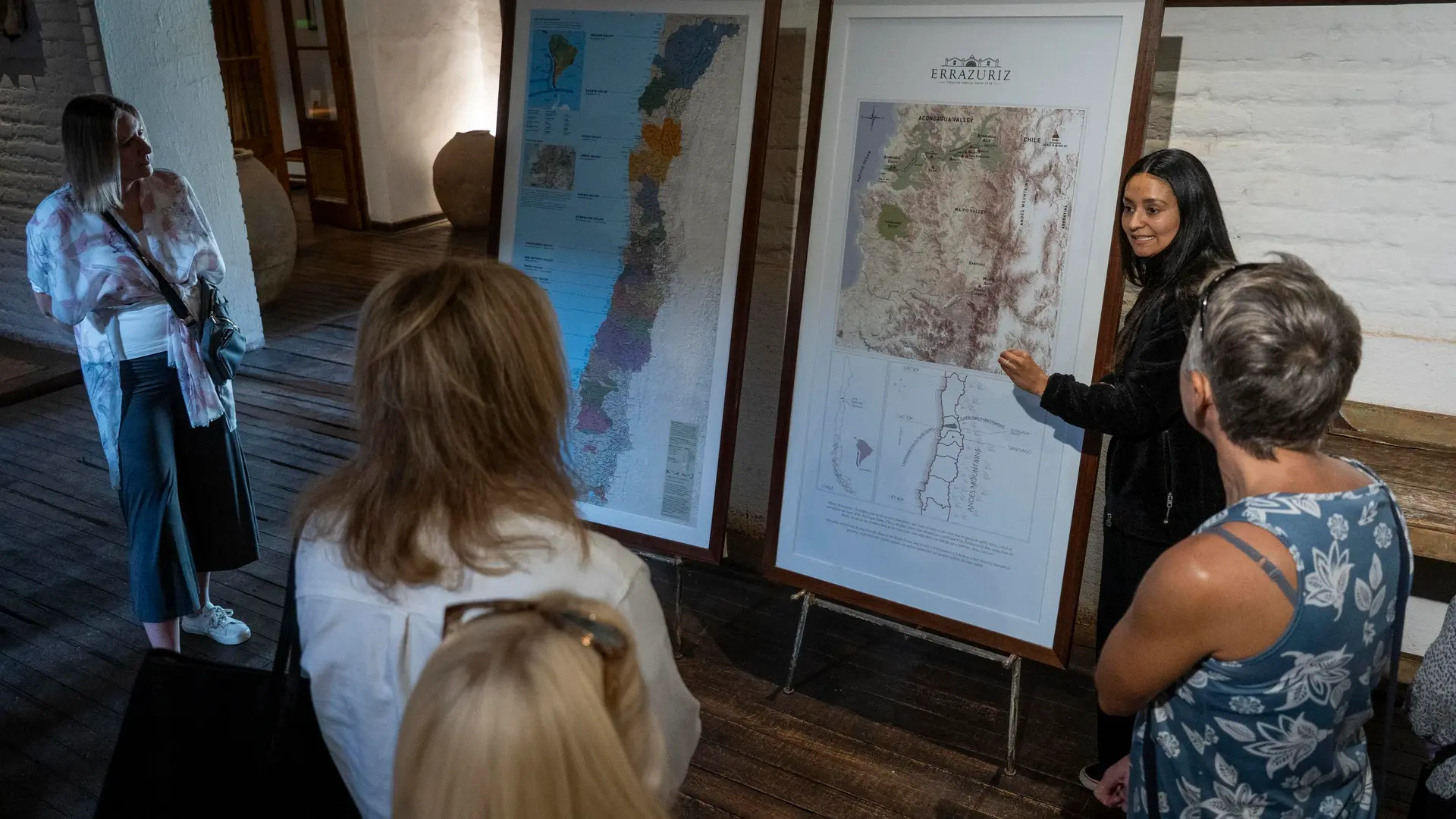
The Geography of Chilean Wine: From the Pacific to the Andes
A strip of land between the ocean and the mountains with unmatched climatic diversity: how Chile's geography shapes its wines.
Read more →Want to live these stories?
We design educational itineraries for wine professionals and enthusiasts.
Let's talk about your trip